The Duty-Deferral Engine at the Edge of the Port: How Foreign Trade Zones Change Import Economics

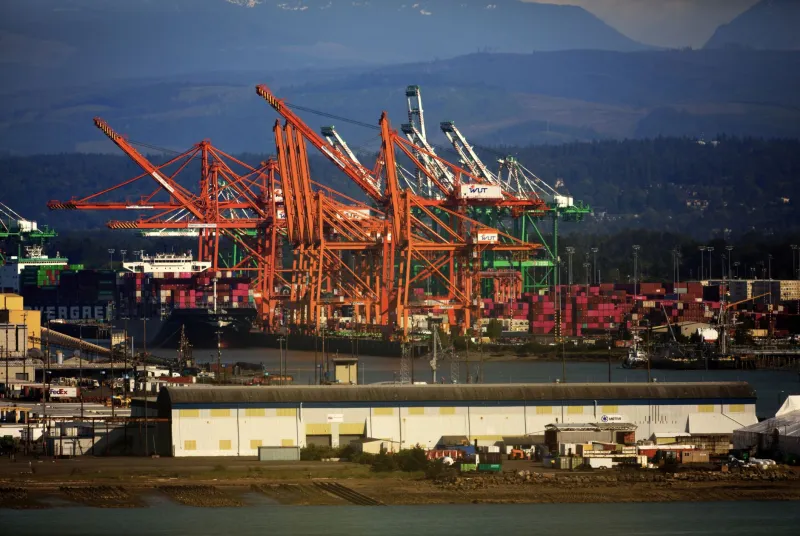
Photo: Md. Ahsanul Haque Nayem, CC BY-SA 4.0, via Wikimedia Commons
The cost line importers treat as fixed
Most importers treat the duty bill as a fixed consequence of sourcing. The goods arrive, the entry is filed, the duties are paid, and the cash leaves the business. Foreign trade zones challenge that assumption, not by making duties disappear, but by changing when they are paid, how they are calculated, and whether they are paid at all.
An FTZ is a secured area in or near a U.S. port that is treated, for customs purposes, as outside the customs territory of the United States. The designation comes from the Foreign Trade Zones Board. Operational oversight comes from U.S. Customs and Border Protection. That split matters for importers because a zone is not a private tax shelter or a state incentive program. It is a federal customs procedure with federal controls.
For small and mid-sized importers, the appeal is straightforward. Goods can be admitted into a zone rather than formally entered into U.S. commerce. Duties are deferred while the goods remain in the zone. If the goods are exported or re-exported, the duties may never become due. If they are moved into domestic commerce, the importer pays at the point of entry, not at the point of arrival.
Where the arithmetic changes
The most discussed benefit is the inverted tariff. An importer may bring components into a zone, manufacture or assemble a finished product, and then enter the finished product at the lower finished-goods duty rate. That outcome is not automatic. It depends on the customs status assigned to the goods and on whether the operation has the proper authority.
Privileged foreign status generally locks in the duty treatment of the merchandise at the time of admission. Non-privileged foreign status allows the goods to be treated according to their condition when they leave the zone. The choice is strategic, and it should be made with an HTS classification review, a valuation review, and a clear view of the finished product. An importer that elects status casually can create a duty outcome it did not intend.
A second benefit is cash-flow timing. Duties that would otherwise be paid on arrival can be postponed until goods leave the zone. For a business carrying high inventory values, that deferral can be meaningful. A third benefit is weekly entry. Rather than filing a separate entry for every shipment, an activated operator may be able to consolidate entries through a weekly process, reducing transactional friction and broker workload.
Common use cases for smaller importers
FTZs are not reserved for multinational manufacturers. Mid-sized importers in consumer electronics, automotive aftermarket parts, medical devices, industrial machinery, and apparel have used zones to manage seasonality, returns, and product configuration. A distributor that imports goods for both domestic sale and export can use a zone to avoid paying duties on the export portion. A manufacturer that imports components and produces a lower-duty finished good can use a zone to capture the rate difference, provided the operation is properly authorized.
There is also a less glamorous use case: damaged, rejected, or obsolete goods. Goods that are destroyed or re-exported from a zone may avoid duties that would otherwise have been paid on entry. That can turn a write-off into a controlled customs process rather than an expensive inventory surprise.
The compliance pitfalls that matter
A zone does not suspend other federal requirements. Food and drug products, consumer products, environmental goods, and restricted items still face the same agency rules they would face outside a zone. Importers sometimes assume that zone status creates a regulatory buffer. It does not.
The more common failures are operational. Inventory records may not match physical movements. Merchandise may be commingled without proper status segregation. An operator may receive goods without a complete admission document. A company may claim production authority it does not have. An HTS code may be copied from a supplier invoice without review. Each of these is a customs recordkeeping issue before it becomes a duty issue.
Activation is another threshold. A company that wants to operate a zone must apply to CBP and demonstrate the systems, security, and recordkeeping needed to track merchandise. The FTZ Board grants the zone designation, but CBP activates the site and supervises the procedures. Importers that treat activation as a paperwork formality often discover that the real work is inventory control.
Coordination is the actual advantage
The strongest zone programs are not built by the logistics team alone. They involve customs counsel, a broker with zone experience, finance, operations, and a designated compliance owner. The importer should be able to explain, for every SKU, how it entered the zone, what status it carries, what happened to it inside the zone, and how it left. That narrative is the defense file if CBP asks questions.
Foreign trade zones can be a powerful tool for American importers in 2026. But the advantage is not the designation itself. It is the discipline of coordinating federal customs rules with real inventory movement. Companies that build that discipline gain deferral, rate management, and export flexibility. Companies that treat the zone as a shortcut gain a more complicated audit trail.